When planning food at home for your child, keep in mind that food at every meal needs to be nutrient dense.
Focus on wholegrains, starchy vegetables and natural fats. For children on a plant based diet some nutrients need extra attention.
Protein:
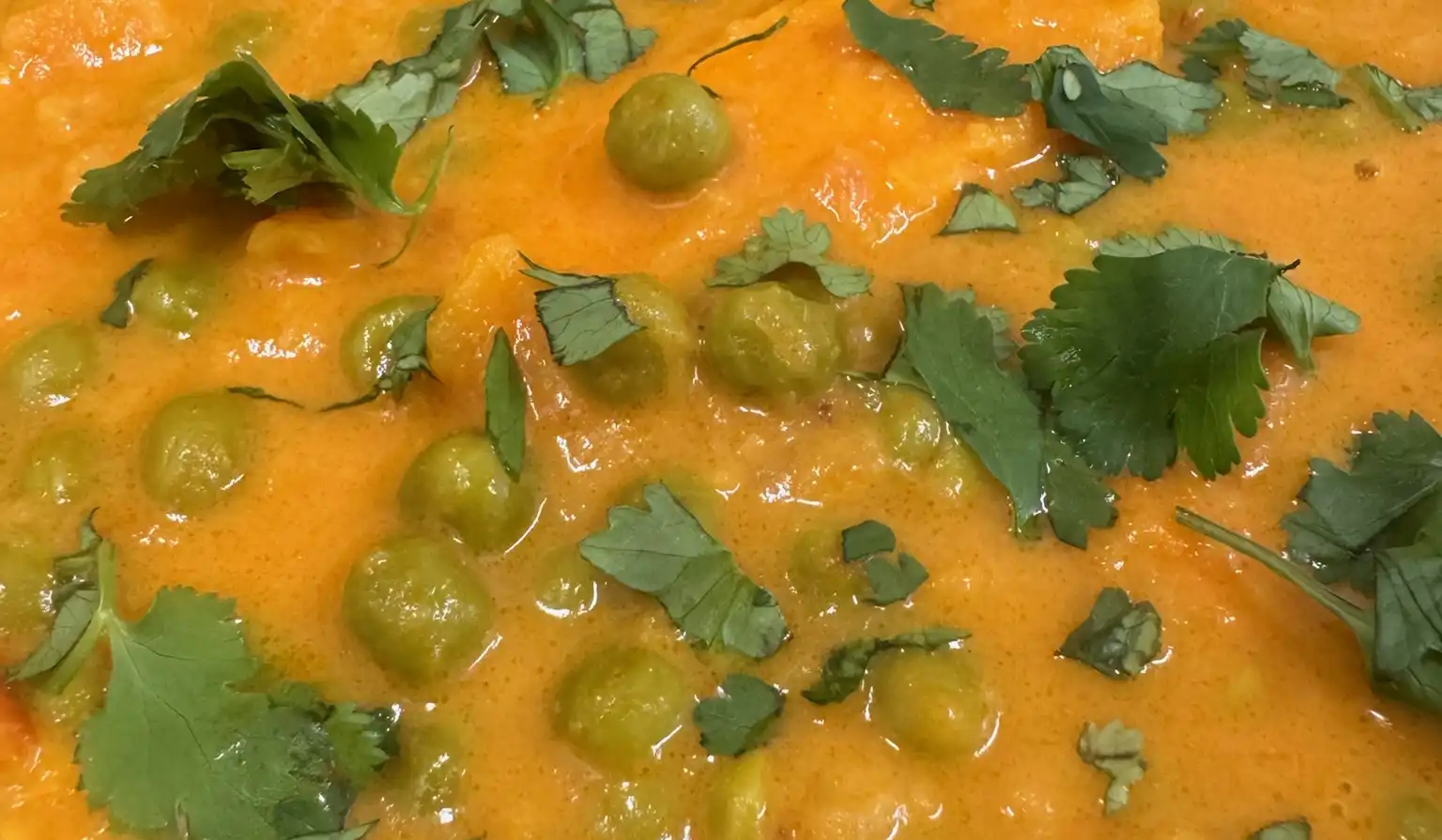
Supports growth, muscles and immunity. Great sources: beans, lentils, tofu, chickpeas, peas, quinoa, nut butters, soy yogurt, vegan cheese.
Iron:
Important for brain development and preventing tiredness. Sources: lentils, chickpeas, beans, tofu, spinach, fortified cereals, wholegrains. Tip: Pair with vitamin C (tomatoes, peppers, citrus) to boost absorption.
Calcium:
Essential for bones and teeth. Sources: fortified plant milks, fortified plant yogurts, tofu, tahini, almonds, leafy greens.
Vitamin B12:
Crucial for energy and brain function. Sources: fortified cereals, fortified plant milks, nutritional yeast, B12 supplements (see note below).
Omega‑3 fats:
Support brain and eye development. Sources: ground flaxseed, chia seeds, walnuts, rapeseed oil, algae‑based supplements.
Vitamin D:
Supports bones and immunity. Sources: fortified foods and supplements (especially in winter months).
Build Balanced Plates
Balanced meals help keep energy steady and support growth. This is a simple way to ensure children get what they need:
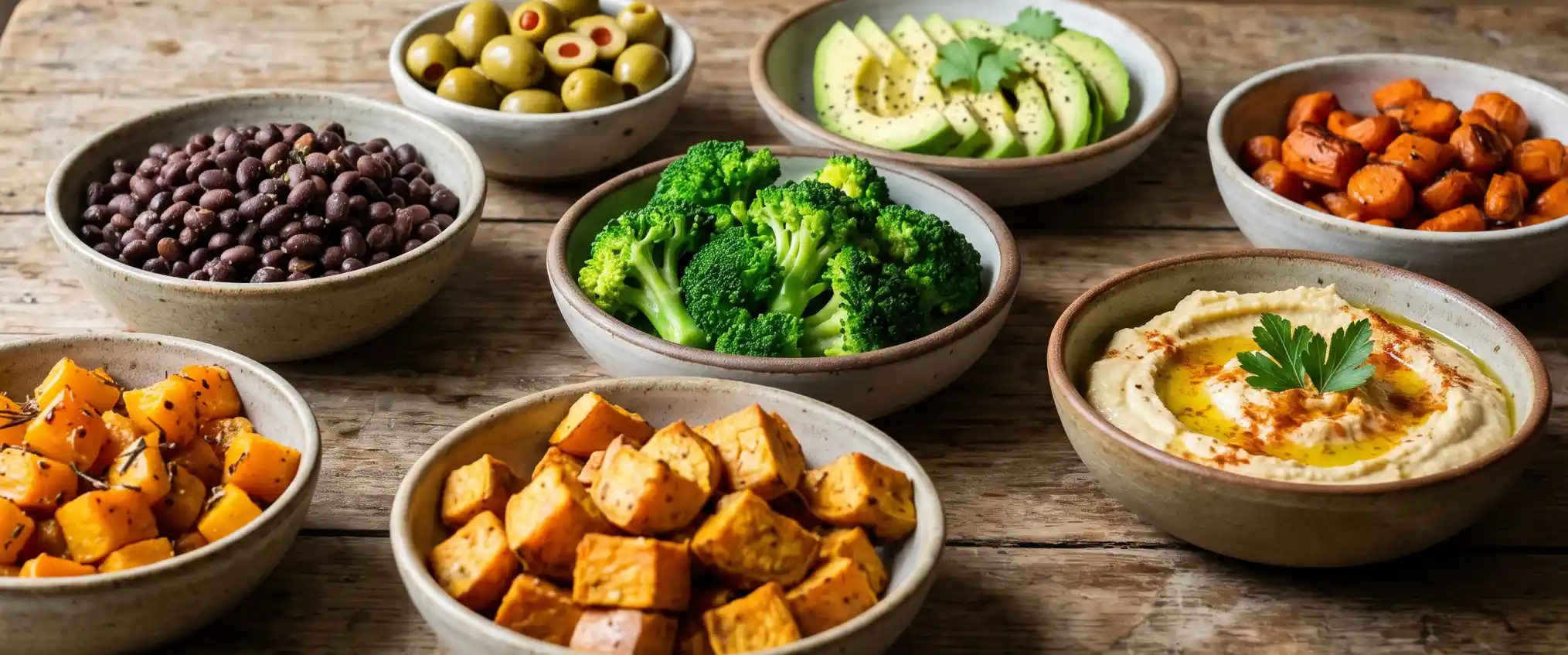
- Protein (beans, lentils, tofu, chickpeas)
- Wholegrains (brown rice, wholemeal pasta, couscous, oats)
- Healthy fats (avocado, olive oil, nut butters, seeds)
- Fruit & vegetables (eat a rainbow)
- Fortified foods (plant milks, yogurts, cereals)
Smart Snack Ideas
Snacks are a big opportunity for nutrition and should include energy and nutrients rather than just calories.
- Hummus with bread or veg sticks
- Fruit with nut butter or tahini
- Smoothies with fortified plant milk
- Bean dips with crackers
- Avocado on toast
- Trail mix (nuts, seeds, dried fruit)
- Mini chickpea or lentil patties
- Mini muffins (easily sweetened with banana and grated veg)
Boost Calories for Growing Children
Some vegan foods are naturally low in calories. These additions help meet energy needs and support growth without needing large portions:
- Olive oil on vegetables or pasta
- Avocado with meals
- Nut butters in porridge or smoothies
- Tahini in sauces
- Seeds sprinkled on meals
- Vegan yogurt or cream cheese for creaminess
Other tips:
- Nuts: As the children can’t consume nuts at the nursery, we would strongly recommend giving them a handful of nuts every day, especially walnuts for omega 3 and brazil nuts for selenium. These can be ground up and mixed into others if your children won’t eat them as they are.
- Legume pastas are a good way to increase the protein in pasta based meals.
- When choosing fortified foods look for plant milks and yogurts fortified with: calcium, vitamin D, vitamin B12 and iodine (if available)
- Coconut yoghurt (The Coconut Collab has added good bacteria for gut health, and includes lactobacillus which we can usually only get from dairy)
- Grind small seeds into a powder to help absorption as many can pass through the digestive system intact, therefore missing out on any nutritional benefits.
Supplements for children on plant based diets
While a balanced diet is the priority, supplements can help fill any nutritional gaps:
- Omega-3: Viridian Vegan EPA & DHA 30 ml is a good plant-based option
- Multivitamin: Nature’s Plus Animal Parade Gold to support overall nutrient intake, particularly for children on restricted or plant-based diets. Don’t worry about taking additional supplements for calcium and B12, because they will be included within a well-formulated multivitamin
We would also recommend speaking to your GP to get blood tests to ensure your child is absorbing enough of the nutrients they need, this is especially important when they reach puberty.