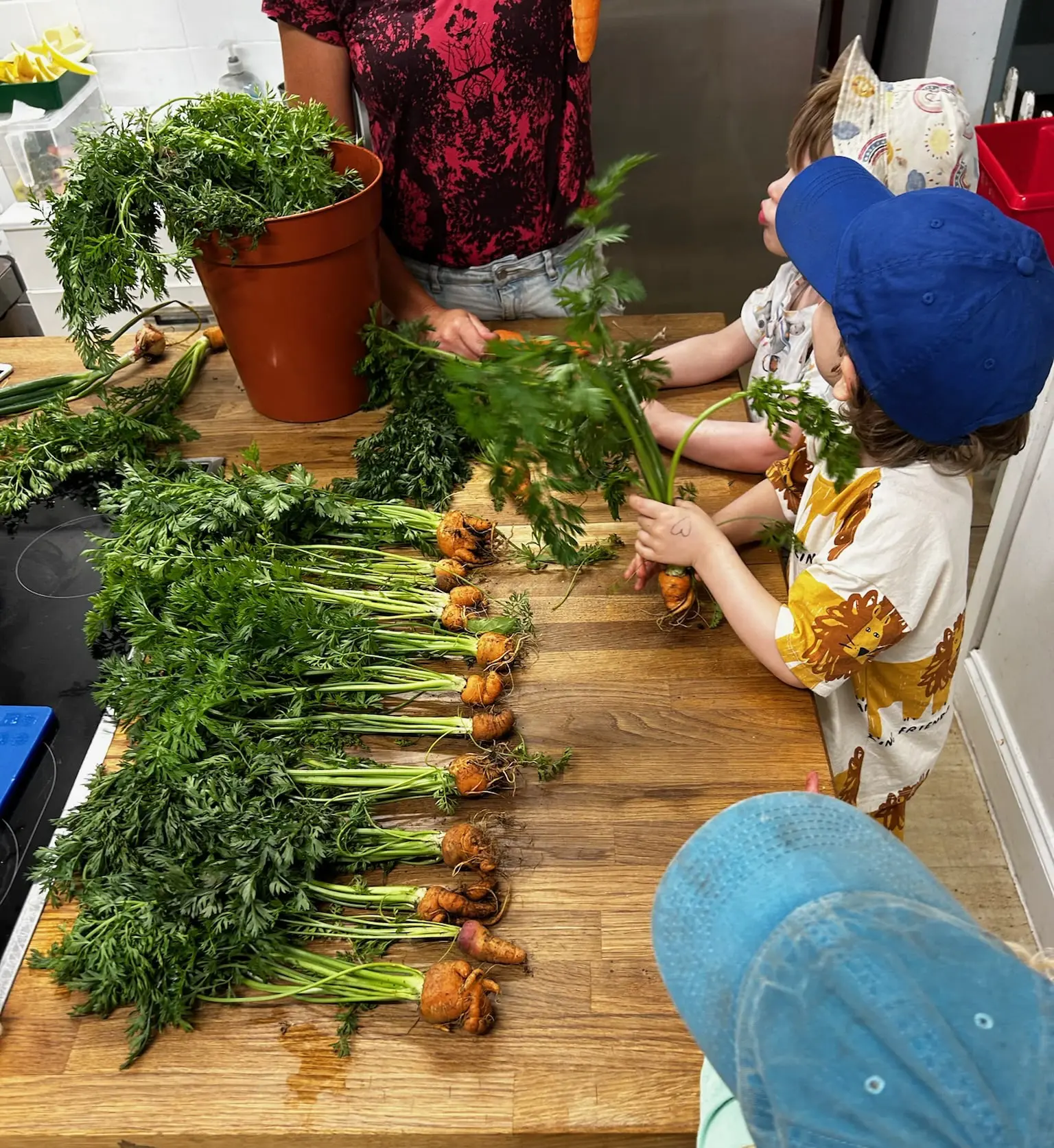
Our bodies function at their best when they are properly nourished, and this is especially true for children.
Young bodies respond quickly to good nutrition, and it is remarkable how a nursery environment that prioritises wholesome food can positively shape their development and wellbeing.
Eat a Rainbow
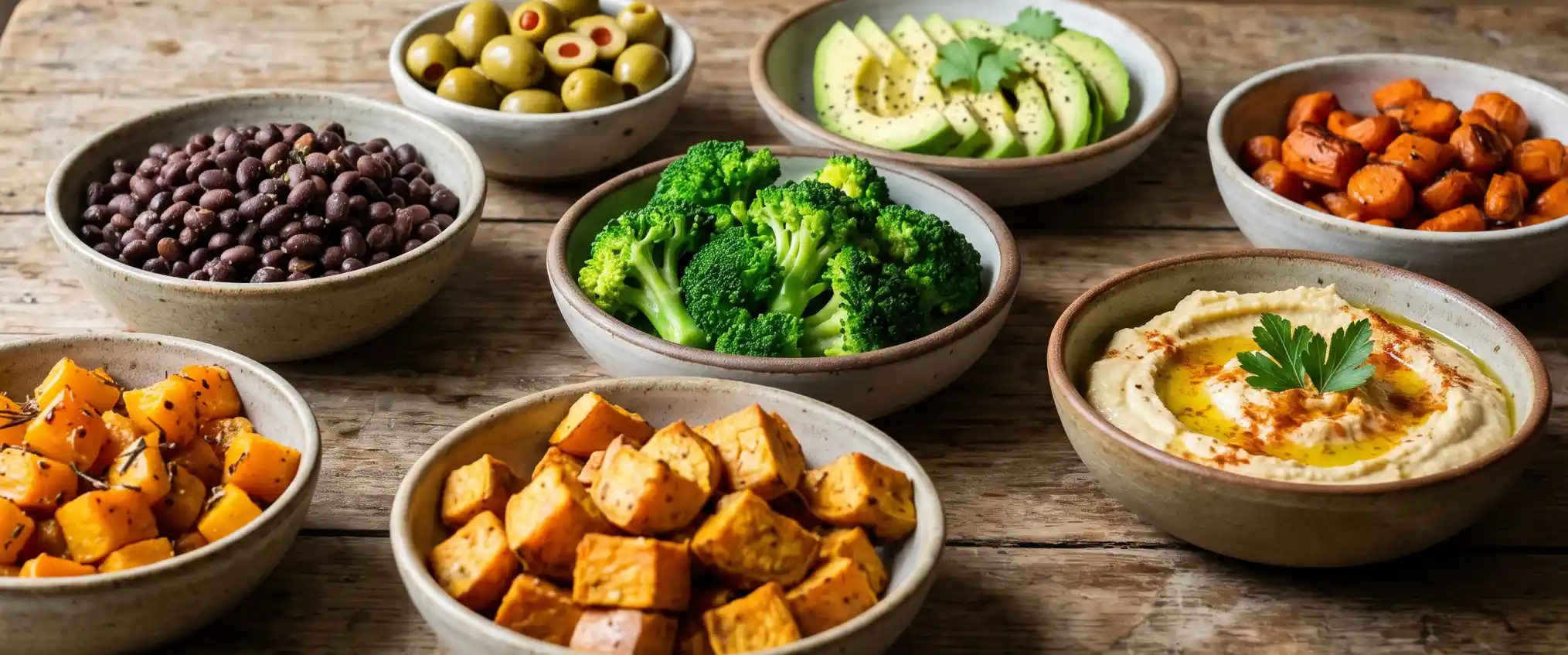
“Eat a rainbow” is our guiding principle. The body is designed to obtain the vitamins and minerals it needs from a varied diet, and the different colours in food often reflect a wide range of nutrients.
A simple and engaging way to introduce this concept to children is by asking them to draw a rainbow. Then, when looking at their meals, you can check whether all the colours are represented. This can be done across a full week rather than each day, which can help ease pressure, particularly during phases when children may be more selective with food. Looking at overall weekly intake often gives a more balanced picture than focusing on a single day.
Rainbow food examples:
- Orange: carrot, butternut squash, orange peppers, oranges, grapefruit, apricots
- Green: kale, broccoli, spinach, peas, avocado, kiwi, cabbage, fresh herbs
- Blue: blueberries, blackberries
- Purple: red cabbage, purple sweet potato, red onions, kohlrabi
- White: cauliflower, garlic, onions, potatoes
- Yellow:lemons, bananas, courgettes, yellow peppers
Including a wide variety of nuts and seeds is also beneficial. You can make your own nut and seed butters to spread on crackers or bread, or create a ground mix to sprinkle over oats, yoghurt, pancakes, or use in baking as a partial flour substitute.
Building balanced meals
Aim to include a balance of carbohydrates, protein, healthy fats, and colourful vegetables in most meals.
- Protein sources: beans, lentils, tofu, tempeh, nut butters, peas, quinoa, fortified plant milks (as well as eggs, meat, fish, and dairy if included)
- Healthy fats: avocado, tahini, nut butters, seeds, olive oil, coconut milk (and oily fish such as mackerel, sardines, herring, salmon, anchovies)
- Iron-rich foods: lentils, beans, tofu, spinach, fortified cereals (best paired with vitamin C foods to aid absorption)
- Vitamin B12: found in eggs, meat, fish, and dairy; fortified foods or supplements are essential for vegan children
- Calcium: dairy products, leafy greens, sardines, fortified plant milks, tofu, tahini, almonds
Healthy fats are particularly important and should be included with each meal. Drizzling olive oil or avocado oil over grains such as rice, pasta or potatoes, vegetables, or avocado on toast helps the body absorb key nutrients.
A simple addition like a seaweed and sesame sprinkle, made from crushed nori sheets and toasted sesame seeds, can provide valuable iodine and calcium.
Fermented foods such as kombucha, sauerkraut, kimchi (milder versions can be made at home), and kefir (both dairy and water-based) support gut health. Making simple pickles at home can also be a fun way to involve children.
Sugar intake should be kept low. Added sugar can suppress the immune system, and children under five do not need it in their diets. That said, balance is key—occasional treats shared as a family, such as a rhubarb crumble, can absolutely be enjoyed, especially when paired with natural full-fat yoghurt (Greek or plant-based alternatives).
Including bitter foods such as dark leafy greens, rocket, olives, and green juices can help support digestion by naturally stimulating stomach acid, improving the body’s ability to absorb nutrients.
Supplements for children
While a balanced diet is the priority, supplements can help fill any nutritional gaps:
- Omega 3 fish oil: Bare Biology Action Heroes
- Multivitamin: Natures Plus Animal Parade Gold, chewable and food-based, so easily absorbed
- Prebiotics: if your child regularly has antibiotics or stomach bugs, or suffers from low immunity, we recommend giving prebiotics as and when needed. Optibac is a well-researched brand worth considering.