Cooking, gardening, building and working with real tools are not extras bolted on to the day. They are the day.
There is a difference between a child being shown how a seed grows and a child who has pushed a seed into soil with their own finger, watered it each morning, watched it split and shoot, harvested it, and then cooked it. One is information. The other is knowledge.
At Young Friends, we believe that real, first-hand experience is the most powerful form of learning available to a young child. Nothing we do here is tokenistic or staged. When children cook, they are making food that will be eaten. When they garden, they are tending plants that will be harvested. When they build, they are solving a genuine problem with real materials. The experience is the point.
The Kitchen Garden
Our kitchen garden sits at the heart of daily life at Young Friends.
Children are involved at every stage: pressing seeds into compost, watering, weeding, harvesting and composting what is left behind.
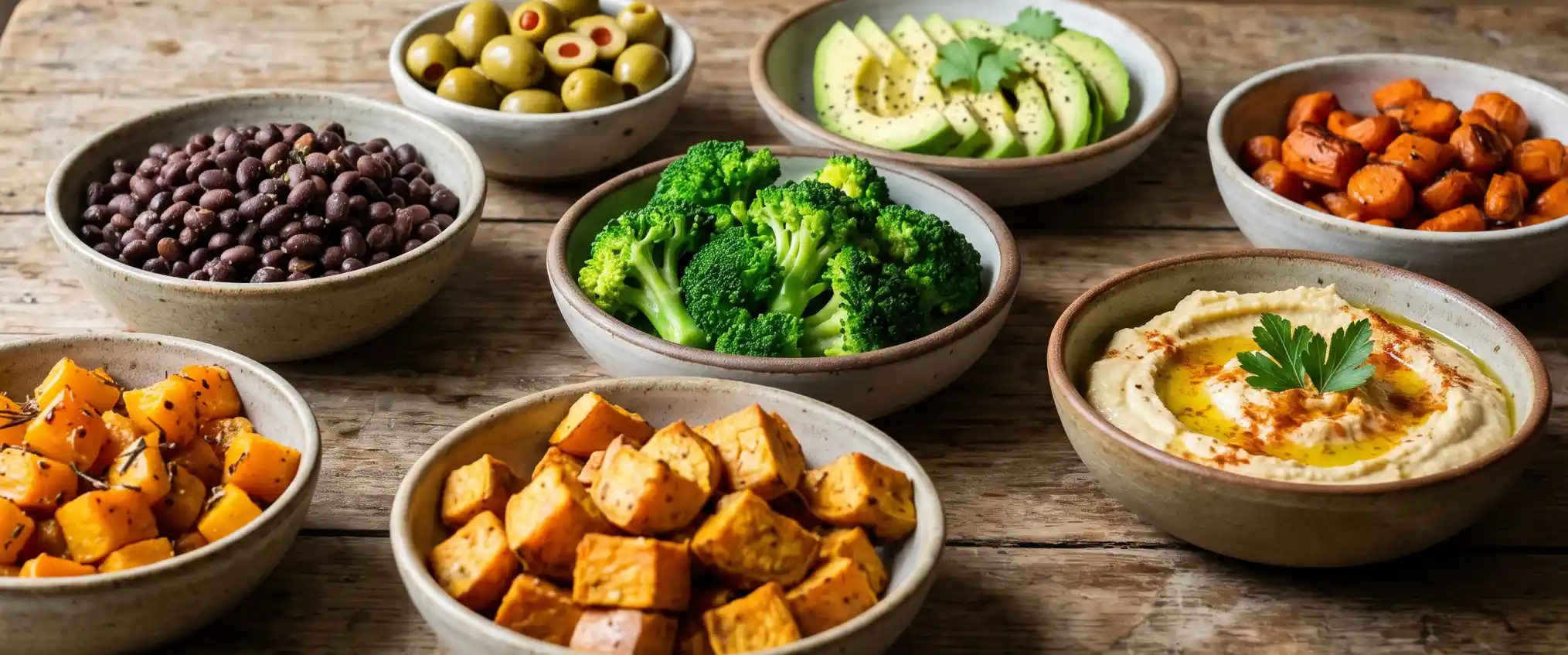
This gives children a direct, ongoing relationship with food and with how things grow. They understand where food comes from not because they have been told, but because they have done the work. Because we follow a seed-to-plate approach, what children grow makes its way into the meals and snacks prepared each day. Children who are cautious about a new vegetable at home will often eat it willingly when they have had a hand in growing it themselves.a hand in growing it themselves.
Cooking Together Every Day
Children cook almost everyday Young Friends, it is part of the rhythm of the week and as ordinary and expected as playing outdoors.
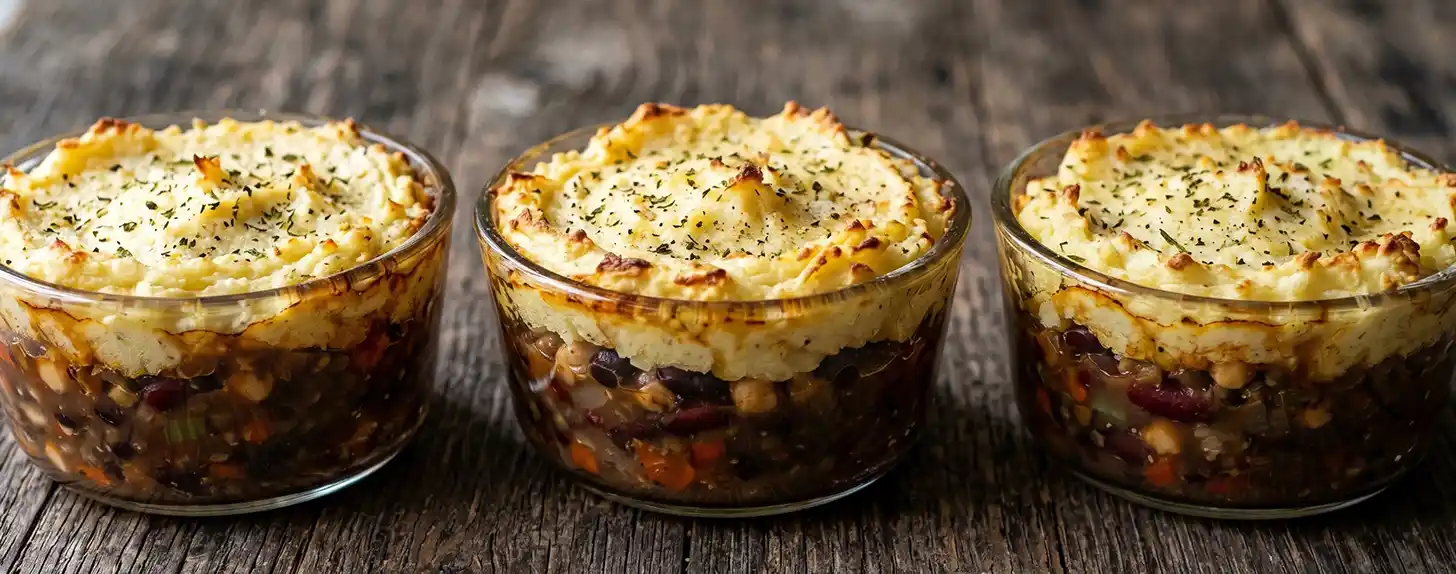
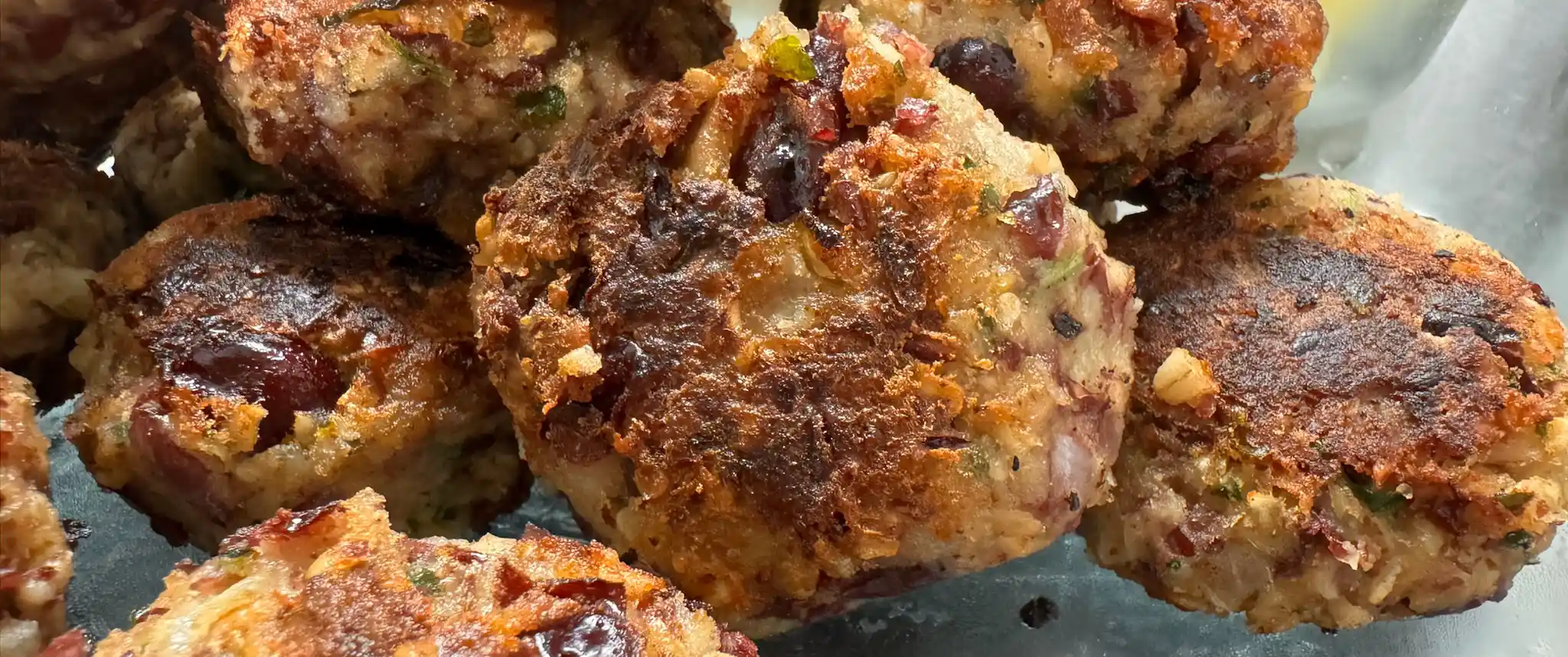
Children make bread, crackers, oat milk, snacks, puddings and suppers from scratch, working with raw ingredients and real equipment. They weigh, measure, mix, chop and taste, and they learn about quantities and processes in a way that no worksheet can replicate.
We do not use food as a play material. This is a deliberate choice rooted in our commitment to sustainability and our respect for food. Every cooking activity has a genuine purpose and a real outcome. Being involved in the making of something creates a relationship with it, and for many children, cooking at Young Friends is where anxiety around unfamiliar food quietly disappears.
The Outdoor Workshop
Our outdoor workshop is one of the children’s favourite spaces.
There are tools, materials, offcuts, fixings, found objects and things in various states of being made, remade or taken apart.
Children use the workshop for woodworking, repair work, construction, papermaking and nature-based making. They work with real tools under close adult supervision, and they are trusted to handle them carefully. That trust is built gradually, through instruction, practice and demonstrated competence.
The workshop connects directly to our approach to sustainability. Broken things are brought to the repair doctor rather than thrown away. Second-hand furniture is brought in and upcycled for use around the setting. When a child is working out how to join two pieces of wood, or figuring out why something will not balance, they are thinking hard and solving a real problem. No one has told them what the answer should look like.
Woodland and Beach School
For children aged three and over, Young Friends runs forest school and beach school sessions as a regular, structured part of the week.
In the woodland and on the beach, children encounter things that cannot be replicated indoors: weather, terrain, living things, unpredictability. They build physical confidence and develop a real awareness of the natural environment around them.
Our nature calendar tracks the full moon phases and seasonal changes in the local area. Children notice what is different from
Why Real Experiences Matter
Young children learn best when they are fully engaged, when the activity has genuine meaning, and when they can see and feel the outcome of what they have done.
Real experiences provide all three of these things, every time.
There is also something important about being trusted with real things. When a child is handed a real tool, or given responsibility for a plant that needs regular care, or asked to contribute to a meal that the whole group will eat, they understand that they are being taken seriously. That understanding shapes how they see themselves as learners and as members of a community.
At Young Friends, real experiences are not a strand of the curriculum running alongside the rest of it. They are woven through everything, from the way we plan the day to the resources we choose and the spaces we maintain. The kitchen garden, the workshop, the cooking sessions and the outdoor environments are not extras. They are the foundation.
Further Reading
Real experiences and loose parts play are closely connected at Young Friends.
Loose parts, the open-ended, moveable materials that fill our indoor and outdoor environments, often find their way into cooking, building and gardening activities as children bring their own ideas to the spaces we create. Read more about Loose Parts and how we use open-ended materials across the setting.